Guides
Deck or Paved Patio on a Sloping Block: Which Works Better?
How slope, budget, drainage and architectural pairing decide between a timber deck and a paved patio for the entertaining zone of a steep residential block.
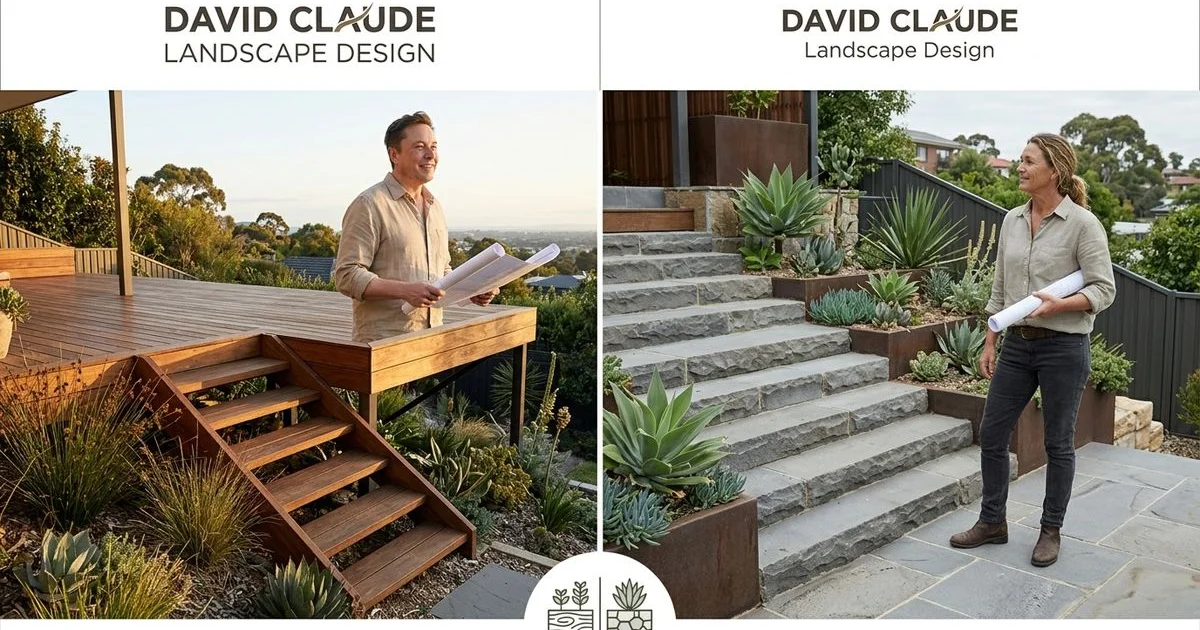
We spend a lot of time evaluating the deck vs paved patio sloping block dilemma across Melbourne’s eastern suburbs. The decision often dictates the entire flow and budget of your outdoor space. Our team sees homeowners struggle with how to manage steep gradients without blowing their budget on soil removal. Excavation costs have skyrocketed recently, making smart material choices more critical than ever. We’ll break down the exact variables that should guide your choice. This guide outlines practical building solutions to help you pick the right approach for your property.
The Decision Variables
Five core factors drive the choice between a timber deck on slope and a paved patio. Every block presents unique challenges. We evaluate these specific variables during our initial site visits.
- Gradient severity: Gentle angles favour paving, while steep drops practically demand decking.
- Soil composition: The reactive clay soils common in the north-east require expensive concrete sub-bases for paving.
- Permit thresholds: Retaining walls over one metre high require a building permit in Victoria.
- Bushfire overlays: Your local Bushfire Attack Level (BAL) rating will restrict certain timber choices.
- Maintenance capacity: Paving is largely a set-and-forget solution, whereas timber needs an annual schedule.
Most projects feature a blend of both materials. A flat paved zone near your back doors provides immediate utility. Our designs then transition into a cantilevered deck over the steep drop. This hybrid layout avoids the massive expense of deep excavation.
When Decking Wins
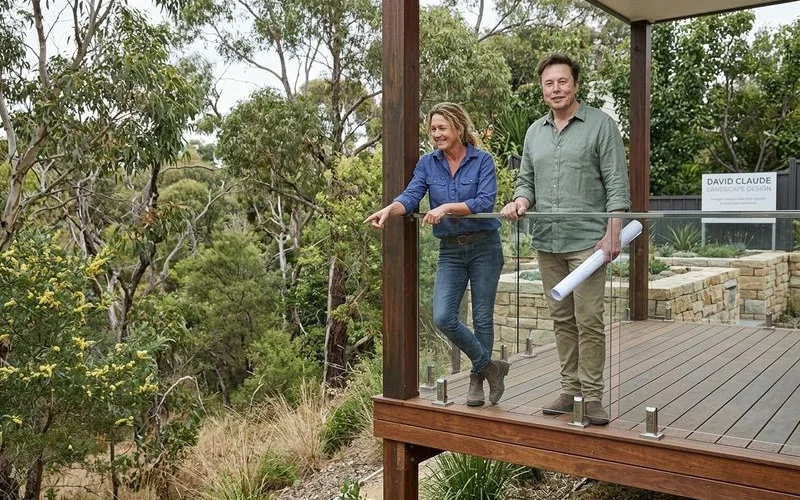
A severe gradient heavily favours decking because the structure can sit on posts above the ground. You don’t need massive earthworks or expensive retaining structures to create a level platform. We often install a 4m by 6m deck supported on hardwood posts over a 30% slope. The equivalent paved area would demand a 1.5-metre concrete retaining wall and weeks of heavy machinery hire.
Managing Bushfire Zones and Soil
Timber also pairs perfectly with the eucalypt-dominated environments of Warrandyte, Eltham, and Donvale. Your material choices do need to align with local council overlays. We frequently specify Spotted Gum, Blackbutt, and Red Ironbark for these exact locations. These native hardwoods carry a natural BAL-29 bushfire rating.
New construction methods make elevated platforms even more appealing. Steel screw pile foundations can now be driven directly into the slope. Our construction crews use these to bypass digging deep concrete footings entirely. This approach saves thousands of dollars on complex hillside sites.
When Paving Wins
Paving takes the lead when your outdoor zone sits at the existing floor level of your home. Minor excavation to create a flat pad is relatively straightforward and cost-effective. We highly recommend paving for heritage properties and period homes that demand durable, heavy materials. A properly engineered bluestone patio will easily outlast a timber structure.
The Importance of Sub-Base and Slip Ratings
For premium paving options, bluestone and sandstone remain the undisputed leaders. Both stones are available in honed, sawn, or flame-finish surfaces. We specify a P5 slip rating for outdoor bluestone to handle Melbourne’s wet winters safely. This textured finish provides excellent grip even on slightly angled paths.
The secret to longevity lies entirely beneath the surface. Reactive clay soil shifts dramatically between wet and dry seasons. Our paving teams install a thick, reinforced concrete slab as a sub-base before laying the stone. This preparation prevents the paving from shifting or cracking over decades of use.
Cost Comparison on a Sloping Block
The financial differences become obvious when you run the numbers for a 30-square-metre zone on a 20% gradient. Earthworks and structural engineering account for the biggest variations in your quotes. We use these indicative 2026 figures to help clients set realistic budgets early in the planning phase.
| Approach | Approx. Cost | Key Inclusions | Build Time |
|---|---|---|---|
| Spotted gum deck on posts | $15,000 to $25,000 | BAL-29 timber, screw pile footings, no excavation | ~3 weeks |
| Bluestone patio with retaining | $25,000 to $40,000 | 800mm masonry wall, concrete base, drainage pipes | 4 to 5 weeks |
| Mixed: paving and cantilever | $30,000 to $50,000 | Best of both worlds, premium materials, high ROI | 5 to 6 weeks |
These construction costs exclude design fees, engineering certificates, and council building permits. Value management is a crucial part of any hillside landscape project. Our most frequent recommendation is the mixed approach. This strategy uses cost-effective paving near the doors and places the timber deck over the severe drop. A deck vs patio comparison usually reveals that combining both materials delivers the highest property value.
Maintenance Reality
Every outdoor material requires some level of ongoing care. The long-term costs of maintenance should factor heavily into your initial material choice. We prefer to set clear expectations about the work required to keep these surfaces looking sharp.
Timber Upkeep vs Stone Longevity
A timber deck requires a thorough clean and re-oiling every 12 to 18 months. High-penetration decking oils provide much better protection than standard surface stains. Our maintenance crews rely on premium penetrating oils to protect the timber from UV damage and moisture. Hardwood boards typically last 15 to 25 years before they start cupping or splitting. The supporting sub-frame can survive for 40 years if you use hot-dip galvanised brackets and ensure good ventilation.
Stone surfaces require a completely different approach. Paving simply needs an occasional high-pressure wash and some minor weed treatment between the grout lines. We apply a commercial-grade penetrating sealer to natural stone every five to seven years. This invisible barrier stops organic stains from setting into the porous rock. Bluestone is essentially maintenance-free and will usually outlast the house itself.
Making Your Final Choice
The right outdoor solution depends heavily on your site conditions and long-term plans. A flat block offers endless flexibility, but sloping terrain requires a strategic approach. We always tell clients to let the topography dictate the primary material.
If you are ready to resolve the deck vs paved patio sloping block debate for your own property, start by assessing your soil type and exact gradient. Professional guidance can save you from costly excavation mistakes. Contact our design team today to schedule a site appraisal and begin planning your new outdoor space.