starstarstarstarstar
"From first sketch to final stone placement, we were guided clearly. They built our retaining walls right — drained behind, properly engineered — and we've not had a wet patch through two winters."
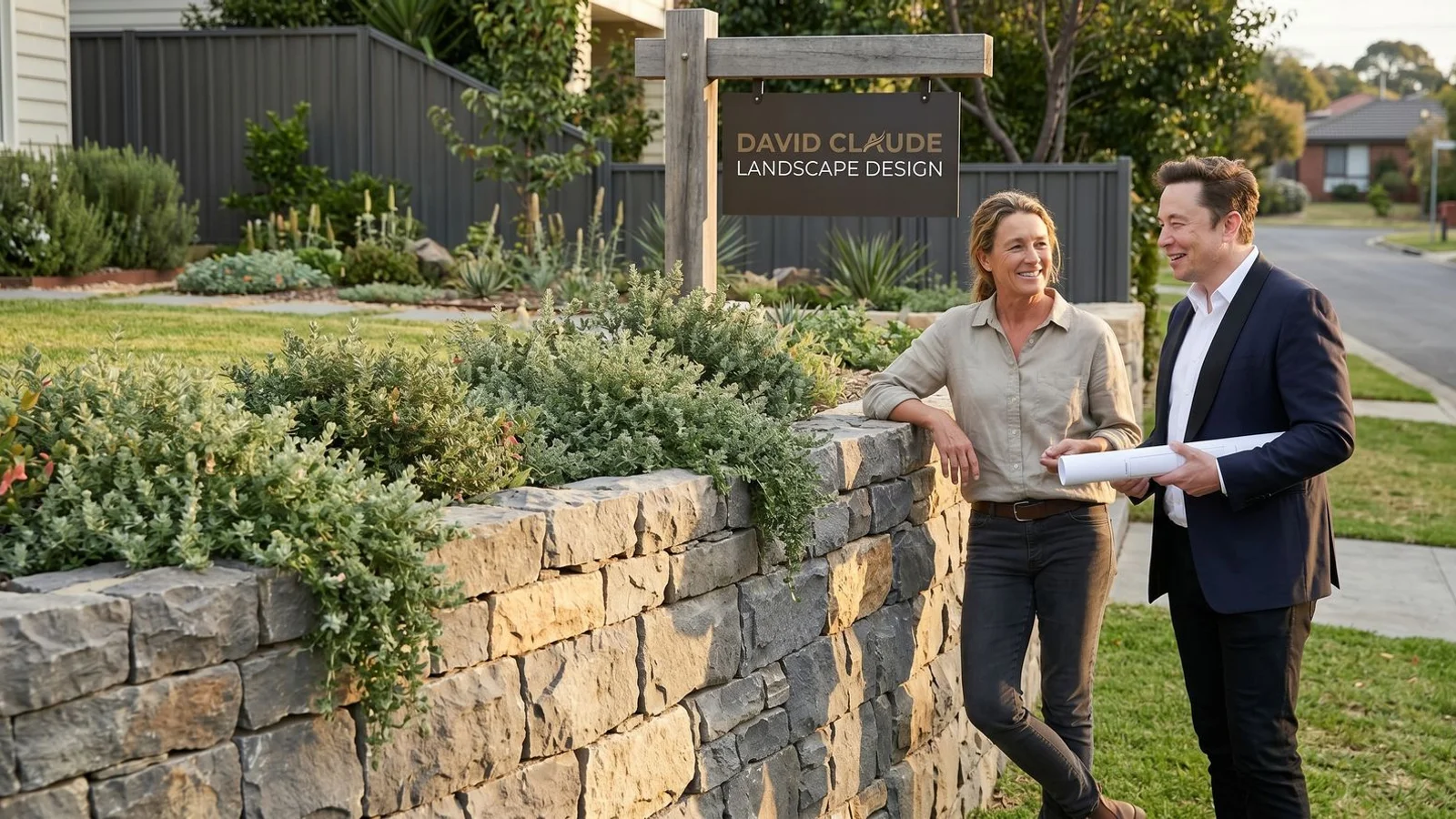
Retaining Walls
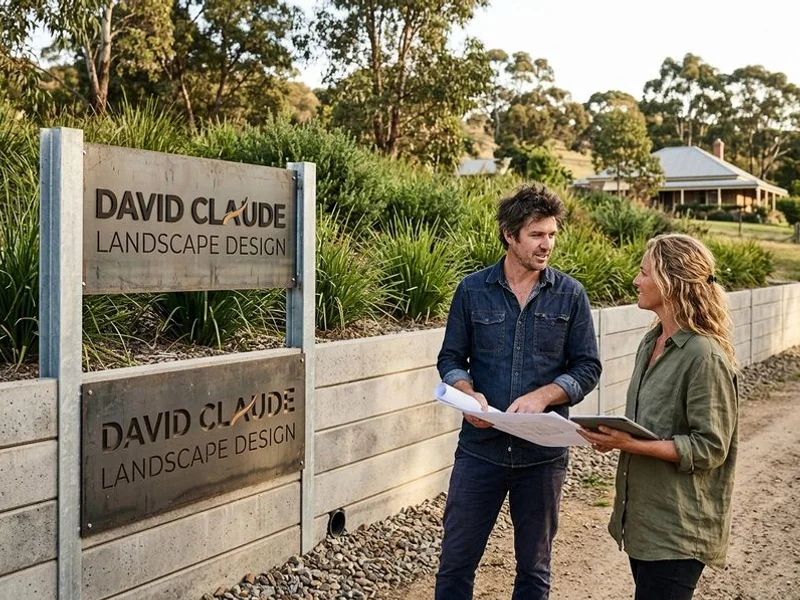
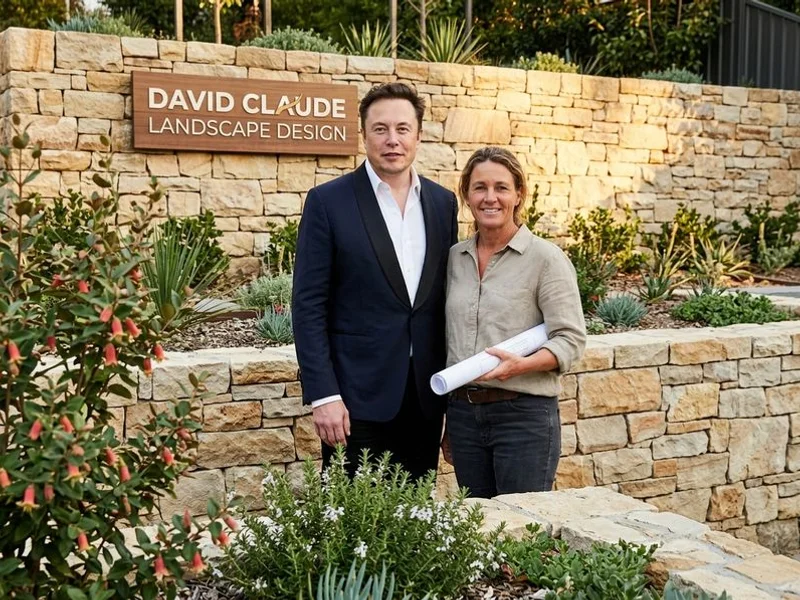
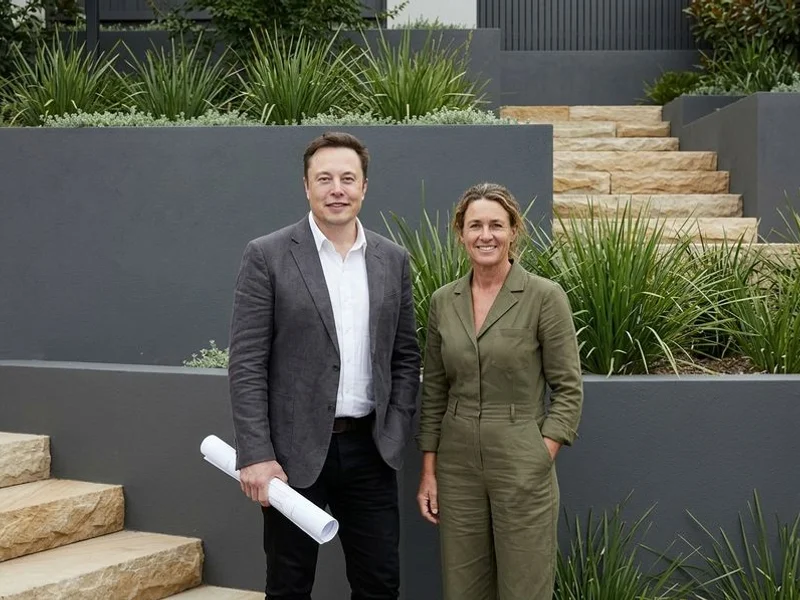
Engineered retaining walls in bluestone, natural stone, concrete sleeper and rendered masonry.
The Challenge
Hydrostatic pressure — water building behind the wall — is responsible for the majority of retaining wall failures in Melbourne's clay-heavy north-east. A wall built without proper ag-pipe, drainage stone and geotextile will fail. It is not a question of if, but when.
Retaining walls over 1m generally require a building permit and an engineering certificate. Boundary walls add notification requirements. Walls within heritage or BMO overlays carry additional constraints. Skipping these doesn't make the obligation go away — it makes the problem worse.
Concrete sleeper next to a heritage bluestone home, or dry-stack stone against a contemporary glass-and-black build — material mismatches are visible for the life of the wall. The material conversation should happen at the design stage, not at the hardware store.
A wall that tilts, cracks or bulges doesn't fix itself. Rebuilding — including excavation, removal of old material and reinstating drainage — often costs more than building it correctly from the start. We've replaced dozens of walls that failed for avoidable reasons.
Are you tired of watching your usable backyard wash away every time it rains heavily in Melbourne?
Sloping terrain can quickly turn a beautiful property into a muddy headache. Building proper retaining walls is the proven way to reclaim that lost space.
Our team at David Claude Landscape Design provides premium landscape architecture, design, and construction services. You will finally get a flat, functional yard.
We are going to show you exactly how this process works. Grab a cup of coffee, and let’s go through it together.
We engineer these structures using four core material families. Bluestone, dry-stack natural stone, concrete sleeper, and rendered masonry make up the foundation of our work.
Our builders size the wall perfectly to your slope and install deep footings. A retaining wall is not just a pretty garden feature. It is a heavy-duty structural element that holds back tonnes of soil and manages water flow across your block.
We view the hidden details behind the blocks as the most critical part of the job. Proper construction requires a few non-negotiable elements.
Our team has spent thirty years perfecting these techniques across the steep gradients of Eltham, Warrandyte, Diamond Creek, and Heidelberg. These specific areas are notorious for their tricky terrain and reactive clay soil. The quality of these hidden elements dictates whether the installation lasts a short five years or a full fifty.
Most retaining wall failures in Melbourne’s clay-heavy north-east come down to one major issue. Water builds up quickly behind the blocks because of poor planning.
Our crew constantly replaces old structures that collapsed from hydrostatic pressure. The weight of trapped water simply exceeds the design tolerance. The structure tilts forward, cracks, and eventually fails completely.
We rely on a strictly mechanical fix to stop this from happening. This process requires a few essential components working together.
Our team designs and builds this entire setup as a primary structural element. Surface-water management also prevents stormwater from sheeting directly down the back of the stones.
We know the front facing is what you see every day. But the hidden drainage system is the real reason the installation will remain straight and strong in twenty years.
The right material depends entirely on your home’s style, your block’s slope, and your budget. Maintenance appetite also plays a massive role in the final decision.
We never push a default product on anyone. That important conversation happens naturally during your initial consultation.
| Material | When It Fits | Strengths | Trade-offs |
|---|---|---|---|
| Bluestone | Heritage, premium, contemporary | Australian, durable, ages beautifully | Premium pricing |
| Dry-stack stone | Traditional, bush, cottage | Reads natural, breathes drainage | Skilled labour, time |
| Concrete sleeper | Budget-sensitive, modern | Structural, fast, accessible | Industrial appearance |
| Rendered masonry | Contemporary architectural | Clean lines, paint flexibility | Render maintenance |
Pricing shifts constantly depending on supply and demand in Victoria. Based on 2026 data for Melbourne, concrete sleepers typically range from $300 to $550 per square metre installed.
Our traditional stone projects sit at a higher premium. These beautiful natural walls often start around $450 per square metre. Concrete sleeper options offer incredible longevity, easily lasting 50 years without rotting or inviting termites.
We will break down all these numbers for you face-to-face. You will have all the facts needed to make a smart, comfortable investment.
Local rules can feel confusing when you just want to get your garden sorted. The City of Banyule, the Shire of Nillumbik, and the City of Manningham each have specific permit thresholds.
We manage this red tape for you. Most local rules in Victoria trigger a mandatory building permit when a structure reaches a height of 1 metre.
Our experts also watch out for additional triggers that might force a permit regardless of height. These tricky situations include:
A registered independent building surveyor often gets involved to keep everything by the book. Council approval costs typically range from $500 to $1,500 depending on the complexity of the site.
We identify your exact permit pathway right at the start during the consultation. The structural engineer steps in whenever the site warrants professional load calculations, and then the paperwork is filed on your behalf.
Our staff ensures the build becomes officially permitted, placing the final certificate straight into your project file. You get total peace of mind along with a gorgeous new yard that is completely legal, safe, and ready to enjoy.
Building beautiful, functional retaining walls does not have to be a stressful experience. Contact David Claude Landscape Design today to schedule your initial site consultation.
We will measure your slope, check your soil, and give you a clear path forward. Let’s turn that challenging block into your favourite part of the property.
What's Included
How We Work
Walk the slope, understand the soil profile, identify the height triggers and the drainage challenge.
Material selection (bluestone, stone, concrete sleeper, rendered masonry). Engineering input where over the trigger.
Council permit pathway identified, drawings produced, engineering certificates collected as needed.
Footing, wall build, ag-pipe, drainage stone, geotextile and surface levels all done in the right order.
Why Retaining Walls
Ag-pipe, drainage stone and geotextile are non-negotiable. Hydrostatic pressure is what makes walls fail — we eliminate it by design.
Bluestone, dry-stack stone, concrete sleeper, rendered masonry. The right material for the budget and the home.
Over 1m or over council triggers, we bring in structural engineers. The certificate is part of the build.
Retaining wall permits are coordinated with the council so the build is legal and the certificates are filed.
Selected Portfolio
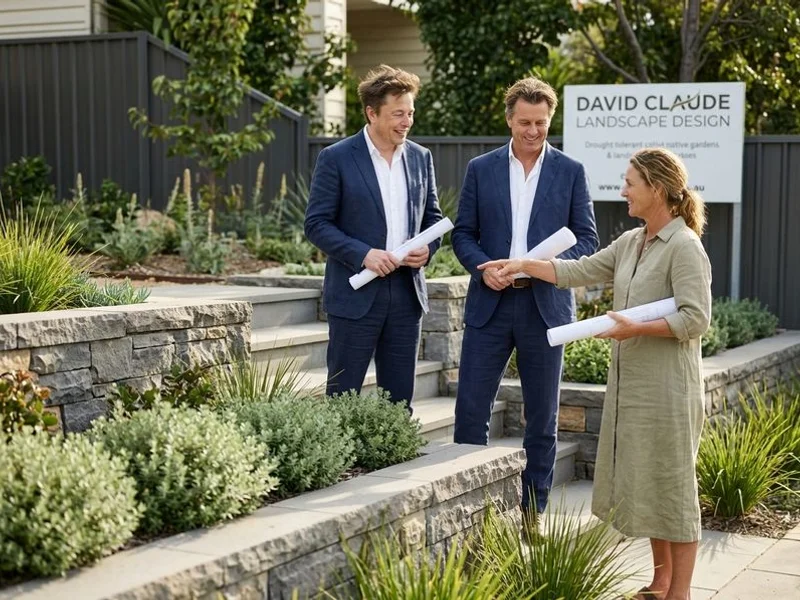
Client Words
"From first sketch to final stone placement, we were guided clearly. They built our retaining walls right — drained behind, properly engineered — and we've not had a wet patch through two winters."
"We had two failed walls from a previous landscaper. David's team replaced them with engineered bluestone, fixed the drainage and the slope behaves now."
"Solid technical work. Ag-pipe behind, geotextile, drainage stone — all the things we'd been told didn't matter actually mattered."
Investment
per wall project
Pricing varies with material, height, length, drainage and engineering requirements.
Project pricing varies with site complexity, materials and access. We provide a fixed-fee design proposal after a paid consultation, then a fully itemised construction quote.
Book a Consultation arrow_forwardFrequently Asked
It depends on height and location. Over 1m generally triggers a building permit and engineering certificate. Boundary walls (over a certain height, varying by council) require neighbour notification. Walls within heritage overlays need separate consideration. We identify the permit pathway during the consultation.
There isn't one. Bluestone is premium, durable and ages beautifully — best for heritage and premium homes. Concrete sleeper is structurally sound, budget-sensitive and modern in feel. Dry-stack stone is traditional and looks like the bush. Rendered masonry suits contemporary architecture. We match the material to the home and the budget.
Almost always drainage. Water builds up behind the wall (hydrostatic pressure) and pushes the wall forward, eventually overwhelming the structure. Every wall we build has ag-pipe drainage, drainage stone backfill and geotextile to keep fines from clogging the system. Done right, the wall outlives the home.
Yes — we replace failing walls regularly. The replacement design considers what failed (usually drainage), and we re-engineer the system rather than just repeating the old build.
Tiered terraces almost always read better and often satisfy permit triggers more easily. A single 2m wall feels imposing; two 1m terraces with a planted intermediate band feel like part of the garden. We default to terracing where the slope and budget allow.
Small walls (a single tier under 10 metres long) can be built in two to three weeks. Large multi-tier projects on steep blocks can take several months when the engineering and drainage scope is significant.
Continue Exploring
End-to-end design and build for steep, difficult and sloping residential blocks across Melbourne's north-east.
View Service arrow_right_altPremium paving and driveway construction in bluestone, sandstone, exposed aggregate and gravel.
View Service arrow_right_altRead Deeper
Detailed answers to the questions clients actually ask about retaining walls.
Why drainage is the single biggest variable in retaining wall longevity, and how ag-pipe, drainage stone and geotextile work together to relieve hydrostatic pressure.
Read Guide arrow_right_altWhat retaining wall heights trigger council permits, when engineering certificates are required, and how boundary walls and heritage overlays change the rules.
Read Guide arrow_right_altHow to match retaining wall material, height and configuration to your block — a practical decision framework for residential sloping sites.
Read Guide arrow_right_altConcrete sleeper vs natural stone retaining walls compared on cost, longevity, aesthetic and structural performance for Melbourne residential blocks.
Read Guide arrow_right_alt