Guides
What is Sloping Block Landscaping?
A working definition: sloping block landscaping is integrated design and construction on steep residential sites, including retaining, drainage, terracing and engineered hardscape.
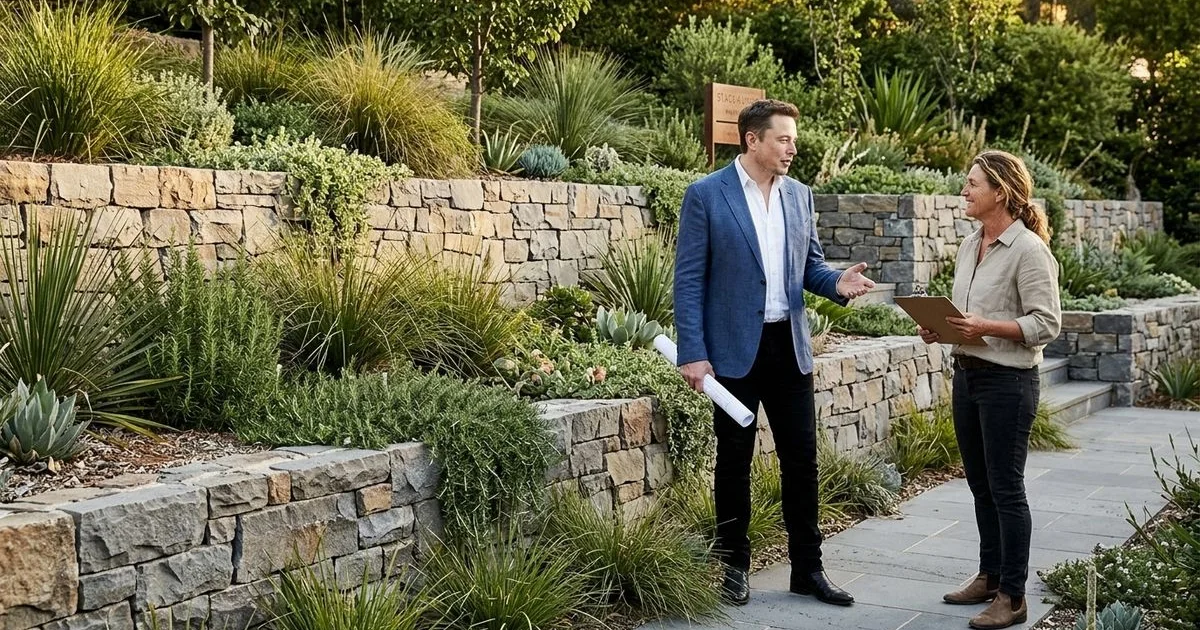
A Working Definition: What is Sloping Block Landscaping?
You know how a seemingly simple garden update quickly turns into an engineering headache when the ground isn’t perfectly flat.
We see this common challenge frequently across Melbourne properties at David Claude Landscape Design.
“A clear understanding of what is sloping block landscaping separates a standard backyard makeover from a permanent structural transformation.”
Our approach integrates drainage strategy and geotechnical coordination directly into the planting and hardscape decisions. This specific engineering focus is the work that distinguishes specialist landscape practices like ours from generalist landscapers.
A sloping block isn’t just a flat block with a few extra steps. The gradient strictly dictates where retaining walls sit, how surface water flows, and which materials will genuinely hold up over time. Let’s review the specific work inclusions required for these properties, the structural council rules you need to follow, and the terrain profiles found across our local suburbs.
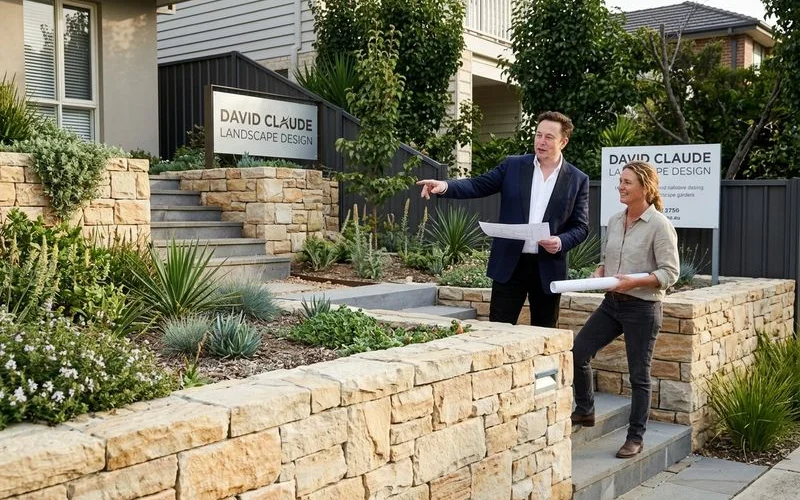
What Sloping Block Work Includes
Most steep block landscape design projects involve a distinct combination of structural and horticultural elements.
We handle these specific components to ensure your property remains stable and usable year-round.
The common thread across all these features is verified engineering competence. A project that skips the engineering will eventually fail through under-built retaining walls, under-drained slopes, or under-spec footings.
Tiered Retaining Systems and Regulations
Properly sized retaining walls are the foundation of any sloping site landscaping project.
Our team frequently uses bluestone, concrete sleepers, or rendered masonry to manage steep gradients.
Victorian building regulations are very strict regarding these structures. Any retaining wall exceeding 1 metre (1000mm) in height requires a certified structural engineering design and a formal building permit from your local council. If your planned wall sits within one metre of a property boundary, you might also need to serve a Protection Works Notice to your neighbour before breaking ground.
Sub-Surface Drainage Networks
Water management makes or breaks a sloped garden.
We always prioritise sub-surface drainage to prevent hydrostatic pressure from building up and cracking your new retaining walls.
Melbourne’s notorious clay soils hold a massive amount of water during winter. A proper drainage system requires agricultural pipes (ag-lines) placed in trenches typically dug 700mm to 1200mm deep. These 65mm to 80mm slotted corrugated pipes sit directly behind the wall, safely directing surface water away from your foundation.
Geotechnical Cut and Fill Engineering
Creating usable flat terraces from an existing slope requires structural cut and fill work.
Our process involves coordinating directly with geotechnical engineers whenever the gradient warrants heavy earthmoving.
Moving soil effectively changes the load-bearing dynamics of your property. We ensure the new terraces comply with local structural standards, preventing costly soil displacement down the line.
Slope-Suitable Indigenous Planting
The right plants act as a natural anchor for your new garden beds.
We select indigenous Victorian plant palettes that establish root systems quickly on shallow clay-loam profiles.
Deep-rooting species like Poa labillardierei (Common Tussock-grass) or Correa reflexa (Common Correa) thrive in Central and Eastern Victoria’s duplex soils. These specific plants lock the topsoil into the yellow clay subsoil beneath, naturally holding the earth together and reducing erosion risks.
Circulation and Safe Access
Getting around a steep property safely requires careful step and path sizing.
Our designs incorporate switchback paths or graded driveways for access on the steepest sites.
Here is a quick comparison of standard access features used in sloped gardens:
| Access Feature | Best Used For | Key Structural Requirement |
|---|---|---|
| Switchback Paths | Gradients over 15% | Non-slip paving and built-in stormwater channels |
| Concrete Steps | Short, steep transitions | Proper footing depth to prevent cracking |
| Graded Driveways | Vehicle access on slopes | 100-year ARI storm drainage capacity |
Where Sloping Blocks Show Up Around Melbourne
Across Melbourne’s north-east, sloping properties heavily dominate suburbs like Warrandyte, Eltham, and Diamond Creek.
We regularly assess sites in parts of Heidelberg, Ivanhoe, and Templestowe where the terrain drops sharply toward the river.
Very few residential blocks in these specific suburbs are genuinely flat. Most properties feature at least an 8 to 15% gradient across the primary building envelope, and many run significantly steeper.
“The question is never whether the slope works against you, but rather how the design uses that terrain to your advantage.”
Building and landscaping in these specific areas often triggers strict local council requirements.
Our project managers routinely handle the Bushfire Management Overlay (BMO) which applies to large sections of Warrandyte and bushland Eltham.
If your property falls under a BMO, your landscape planning must account for a few specific constraints:
- The 10/50 Vegetation Rule: This regulation allows you to clear certain vegetation within 10 metres of a building and manage undergrowth within 50 metres.
- Bushfire Management Plans: Major structural additions on these steep blocks often require formal council approval based on fire safety.
- Material Selection: Retaining walls and paving must meet specific non-combustible material standards in high-risk zones.
If you have been told your block is too steep to landscape, a specialist would likely disagree.
We have successfully transformed sites with 30% plus gradients across Diamond Creek into beautiful, usable, tiered spaces.
What’s Next
Deciding exactly what is sloping block landscaping for your specific property is the first step to a functional outdoor space.
We encourage you to gather as much information as possible before breaking ground. To help you prepare, we recommend reviewing these specific resources:
- Process Overview: Read the design and build process to understand exactly what to expect from a professional engagement.
- Site Evaluation: Review is my block too steep for an honest look at severe gradients.
- Financial Planning: Our team is ready to help you plan the financials, so take a look at the sloping block cost guide for a clear idea of the required investment.
Contact us today to schedule a site assessment and turn your challenging terrain into a beautifully structured garden.